WhatsApp Image 2026-01-06 at 11.28.48 AM (1)

Strengthening Dairy Development: GNACAF Hosts Prime Agro Farms Delegation in Ghana

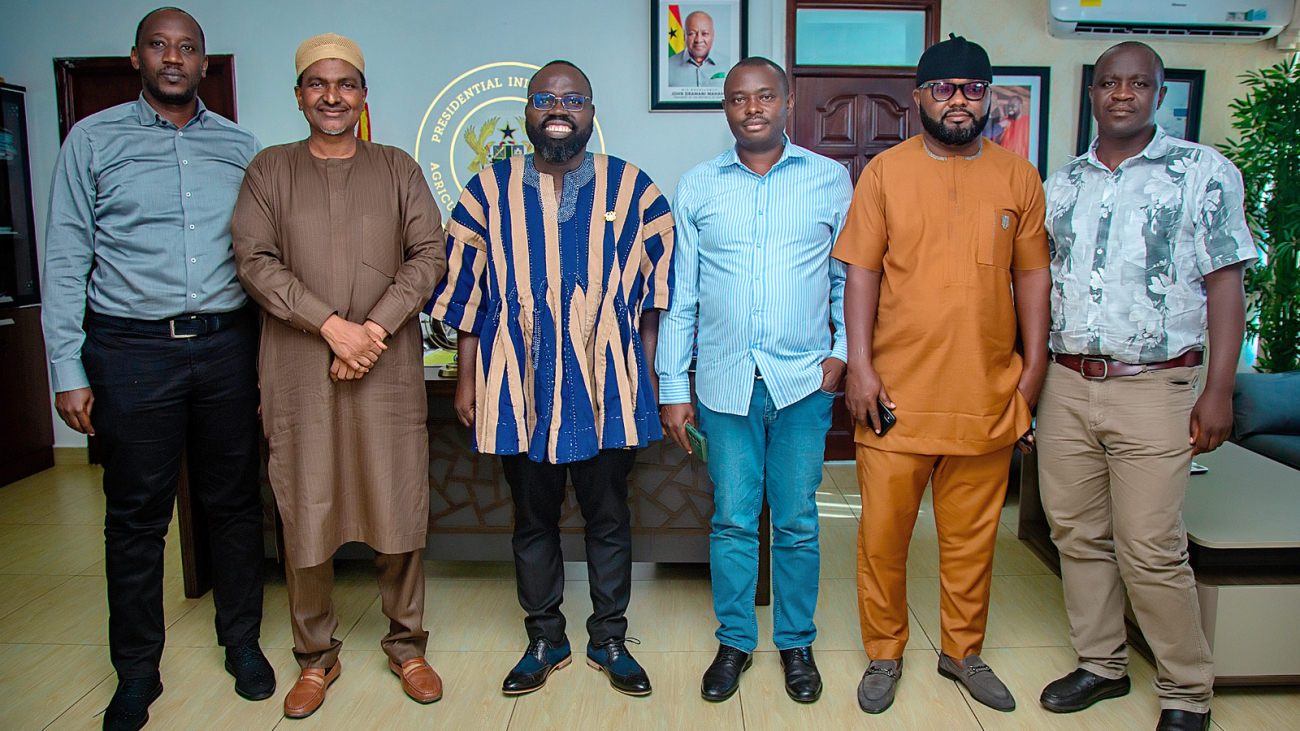
It was a week filled with discovery, dialogue, and inspiration as GNACAF opened its doors to representatives from Prime Agro Farms [U] Limited. Their journey to Ghana was more than a visit — it was the beginning of a partnership aimed at shaping the future of dairy development in the region.

A Journey of Learning and Exchange

From the moment the delegation arrived, the atmosphere was charged with excitement. Together with GNACAF, they embarked on a tour of some of Ghana’s most important agricultural institutions and farms:

  • At the Livestock and Poultry Research Centre (LIPREC), University of Ghana, the team walked through barns and laboratories, engaging with researchers who are pioneering sustainable livestock practices. Conversations flowed easily, blending science with practical farming realities.
  • At Amerhia Farms, the delegation experienced firsthand how integrated farming systems can be scaled to meet modern demands. The farm’s approach to efficiency and quality sparked lively discussions about replicating similar models in Uganda and Ghana.
  • In Prampram, the group explored opportunities for establishing a new dairy development farm. The coastal community provided a backdrop for conversations about land use, farmer training, and community involvement.

Building Bridges Across Borders

What stood out most was the spirit of collaboration. This wasn’t just about observing — it was about sharing knowledge, exchanging ideas, and laying the foundation for a joint dairy initiative. The delegation and GNACAF envisioned a future where:

  • Local milk production is strengthened to meet growing demand.
  • Modern dairy technologies are introduced to boost efficiency.
  • Farmers and students gain access to training opportunities in livestock management.
  • Ghana and Uganda deepen their agricultural ties, creating a model for regional cooperation.

A Shared Vision

For GNACAF, hosting Prime Agro Farms [U] Limited was a proud moment. It reaffirmed our commitment to connecting African agribusiness leaders and building partnerships that go beyond borders. Together, we are working toward a thriving dairy sector in Ghana — one that supports communities, enhances nutrition, and contributes to economic growth.

This visit was more than a tour; it was a story of possibility, of two nations coming together to learn, innovate, and build. And as GNACAF continues to champion agricultural collaboration, the seeds planted during this journey will grow into lasting impact.
WhatsApp Image 2025-12-12 at 11.48.55 AM

National Livestock Day Leads the Charge for a Livestock Revival in Ghana

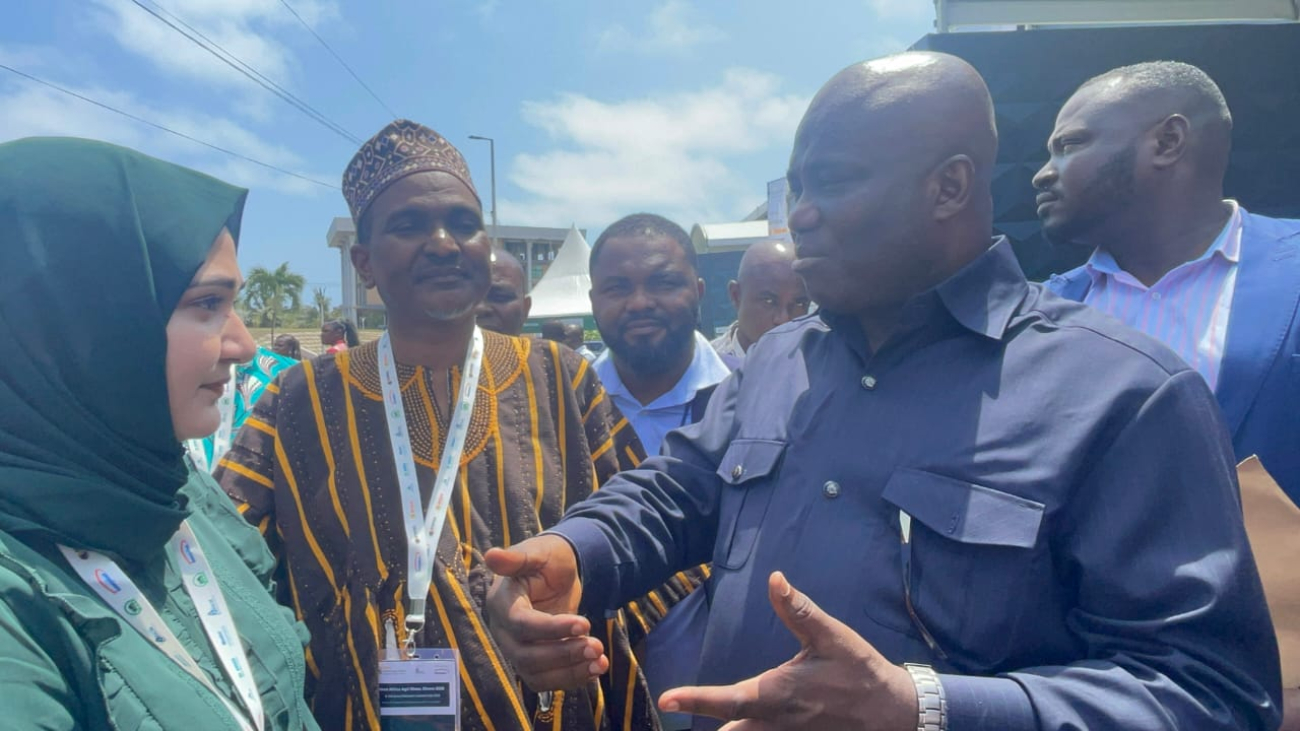
You ever notice how everyone keeps talking about “boosting agriculture” in Ghana, but the livestock sector somehow gets treated like the forgotten cousin? That’s the thing people kept circling back to at the 2025 West Africa Agrishow Ghana and the 2nd Annual National Livestock Day.

The mood was pretty clear: if government doesn’t step up and breathe life back into the livestock sector, we’re going to keep pretending we’re serious about food security while struggling to meet demand.

At the closing ceremony, Imam Hanafi Sonde, president of the Ghana National Association of Cattle Farmers didn’t sugarcoat anything. He called for a full-on revival of the sector. Not tweaks. A real shift. The kind that makes livestock farming modern, productive, and actually worth the effort for the people keeping it alive every day.

He talked about the same issues farmers complain about nonstop: outdated systems, limited support, low productivity, and the sense that livestock is still treated like an afterthought in Ghana’s agricultural plan. His point was simple: if Ghana wants stronger food systems, livestock cannot sit on the sidelines anymore.

What I found interesting was how he described the annual Agrishow. It isn’t just an event for showcasing animals or handing out awards. It’s supposed to push agriculture forward   showing what’s possible when farmers get the right tools and support. But events alone won’t fix anything unless the government backs the momentum with actual resources.

Then the Agriculture Minister, Eric Opoku, stepped in with a bit of hope. You could tell he genuinely liked what the event was trying to accomplish. He mentioned the government’s new “Reset Agenda,” which sounds like their attempt at giving the sector a fresh start. According to him, livestock and animal husbandry are getting real attention this time not just on paper.

He talked about reforms aimed at boosting productivity and making sure the livestock sub sector can carry its weight in the larger agricultural transformation Ghana keeps aiming for. More support, better systems, stronger production that kind of direction.

And he doubled down on something farmers have been waiting to hear for years: improving livestock production isn’t optional if Ghana wants food security. The ministry, he said, is committed to making that happen.

So what we’re left with is this:

Farmers are calling for a revolution in how the country treats livestock. The minister says change is coming. The sector itself is ready, it just needs the push, the tools, and the investment to match the potential everyone keeps talking about.

Whether the commitment turns into real action… that’s what the next few years will reveal.